Bloomster
  • Courses
  • For Parents
  • For Schools
  • Resources
    • About
    • Blog
    • eBook
    • Life Skills
      • Self-Confidence
      • Self-Discipline
      • Self-Awareness
      • Self-Management
      • Emotional Resilience
      • Healthy Relationship
      • Decision Making
      • Leadership
      • Fear Management
      • Conflict Resolution
      • Communication Skills
      • Social Emotional Learning
      • SEL for Schools
    • Pricing
    • Mobile App
    • Contact Us
  • Sign In
  • Sign Up Now

Raise a Child Who Can Stand Tall and Say “No”

Teach decision-making, values, and the strength to walk their own path.

Enroll Now

Standing Strong Against Pressure

Designed with educators, backed by psychology, and easy to integrate into your school’s routine.

Plan Objectives
iconsStrengthening Decision-Making Skills

Teach children how to think critically and make choices that align with their values.

iconsBuilding Self-Confidence

Help children trust themselves and stand up for their beliefs.
iconsOvercoming Fear of Rejection

Provide tools to manage the fear of standing out or being different from peers.

iconsDeveloping Self-Awareness

Guide children to reflect on their values and recognize external influences.

See A Sample LessonEnroll Now

Sample Lesson Preview Close

Making Responsible Choices

Qualities of Responsible Decision-Making
Enroll Now

Qualities of Decision-Making

Being responsible means we act with reflection rather than impulsiveness. Responsible decision-making requires us to pause and think carefully.

It’s crucial to analyze our options by considering the personal consequences and how they will affect others. We need to keep our values in mind throughout the process to guide our choices.

A responsible decision involves choosing an option that considers not only our immediate desires but also the long-term effects on ourselves and others. It requires us to think ahead and weigh the pros and cons before acting.

For example, a responsible approach if you’re deciding whether to study for a big exam or hang out with friends would be to balance both. You might choose to study first and then hang out, ensuring you stay on track with your grades while still enjoying time with friends. It also means thinking about how your choice impacts others, such as how it affects your grades, your friendships, or your future goals.

A smart step in any decision-making process is involving a trusted adult. You can learn about these responsible decision-making qualities alongside Drew, Payton, and Jordan.

Why This Plan?

This plan addresses the following challenges by developing targeted skills

icons

My child is easily influenced

×

My child is easily influenced

How This Plan Helps

Encourages children to evaluate their choices independently rather than following others.

Skill: Responsible Decision-Making

Course: Making Responsible Choices

icons

My child is uncomfortable saying, “No”
×

My child is uncomfortable saying, “No”

How This Plan Helps

Builds confidence in children to stand up for themselves and set boundaries.

Skill: Self-Confidence

Course: Confident You: Believe in Yourself

icons

My child does not evaluate pros and cons
×

My child does not evaluate pros and cons

How This Plan Helps

Teaches children how to manage fear and make thoughtful decisions under pressure.

Skill: Fear Management

Course: FearLESS: Building Brave Young Hearts

icons

My child considers all feedback to be negative

×

My child considers all feedback to be negative

How This Plan Helps

Encourages children to process feedback in a constructive way rather than feeling criticized.

Skill: Self-Awareness

Course: Exploring You: A Journey to Self-Awareness

01Making Choices in Social Situations

Teaches children to assess options carefully and make independent decisions.

02Saying “No” to Peer Pressure

Helps children develop the confidence to decline negative influences without fear.

03Managing Fear of Rejection

Provides children with tools to overcome the fear of standing up for themselves.

04Understanding Personal Values

Encourages children to reflect on their beliefs and make decisions that align with them.

See A Sample LessonEnroll Now

Sample Lesson Preview Close

Confident You: Believe in Yourself

What is Self Confidence?
Enroll Now

Definition of Self-Confidence

Let’s talk about what self-confidence means.

Self-confidence is something you can’t touch, but it affects how you feel. You can’t see it, but it is there when you look in the mirror. You can’t hear it, but it is there every time you talk about yourself.

Self-confidence is feeling good about yourself and knowing you are a likable, capable person.

I am sure self-confidence is a word you have heard and maybe you even know how to tell if people are confident. In this module, you will learn about self-confidence and self-esteem and how to identify both good and poor confidence and esteem. Remember, you can improve your self-confidence.

Real-Life Applications

How this plan's skills apply to real-world scenarios for everyday success

See A Sample LessonEnroll Now

Sample Lesson Preview Close

Confident You: Believe in Yourself

What is Self Confidence?
Enroll Now

Definition of Self-Confidence

Let’s talk about what self-confidence means.

Self-confidence is something you can’t touch, but it affects how you feel. You can’t see it, but it is there when you look in the mirror. You can’t hear it, but it is there every time you talk about yourself.

Self-confidence is feeling good about yourself and knowing you are a likable, capable person.

I am sure self-confidence is a word you have heard and maybe you even know how to tell if people are confident. In this module, you will learn about self-confidence and self-esteem and how to identify both good and poor confidence and esteem. Remember, you can improve your self-confidence.

Courses Included

Sample
Play

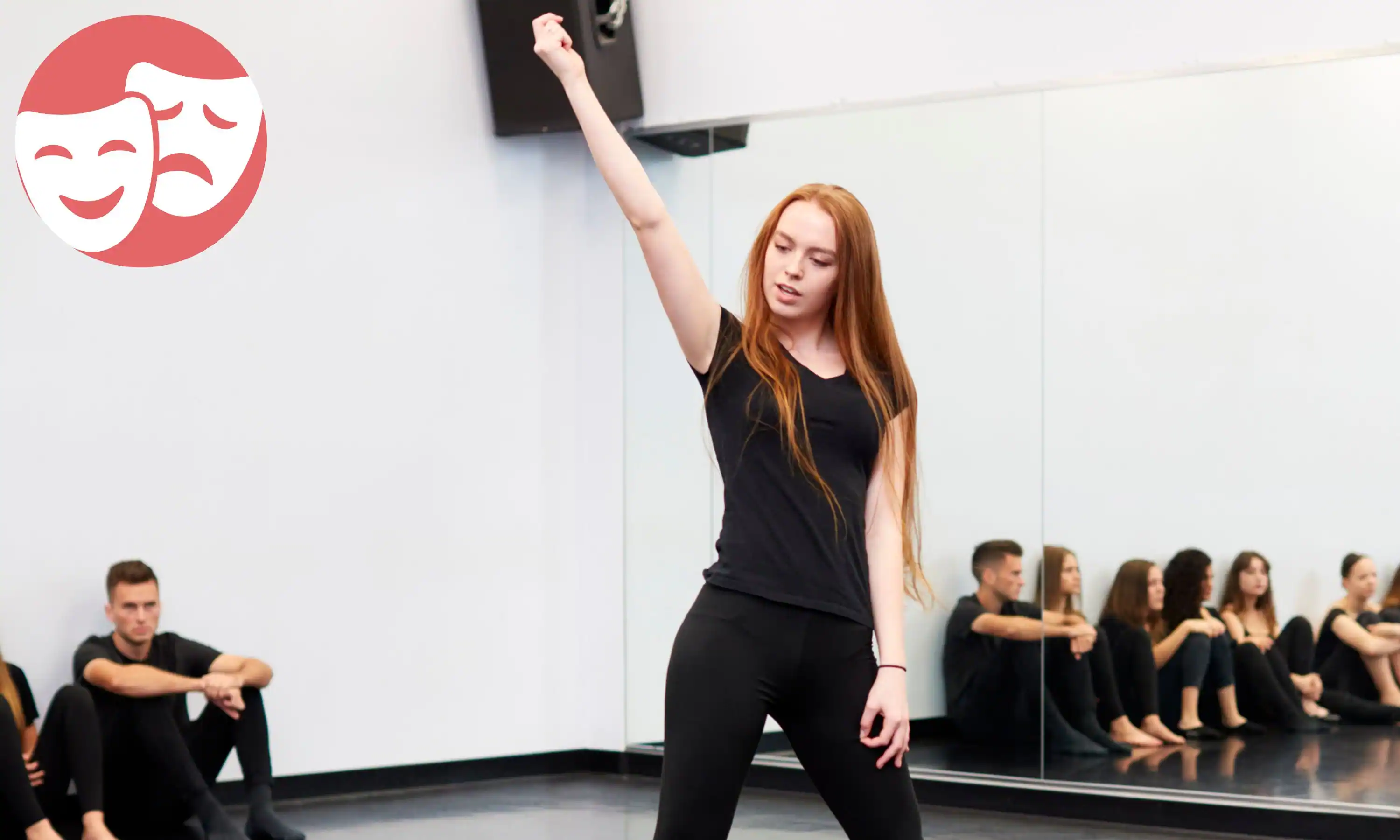
Making Responsible Choices

Social

Responsible Decision Making

Course Details:

Modules: 4 |

Lessons: 33

Significance: Understand the importance of decisions by evaluating their short and long-term impacts.

Resistance: Learn to counteract peer pressure and societal expectations with personal strategies.
Learn More
Sample
Play

Confident You: Believe in Yourself

Emotional

Self-Confidence

Course Details:

Modules: 4 |

Lessons: 32

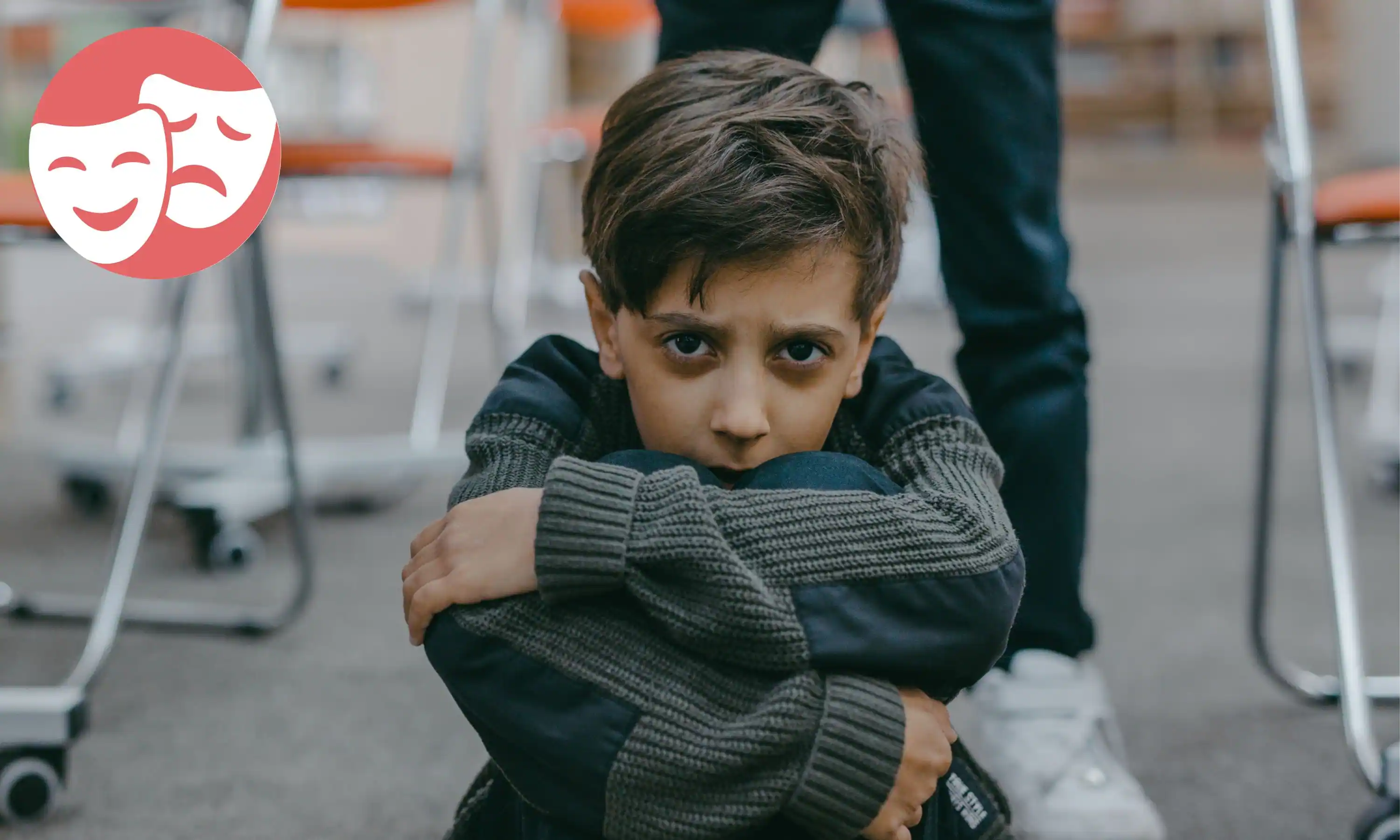
Discover Self-Belief: Understand how confidence transforms growth and relationships.

Master Positive Self-Talk: Replace self-doubt with empowering inner dialogue daily.
Learn More
Sample
Play

FearLESS: Building Brave Young Hearts

Emotional

Fear Management

Course Details:

Modules: 4 |

Lessons: 31

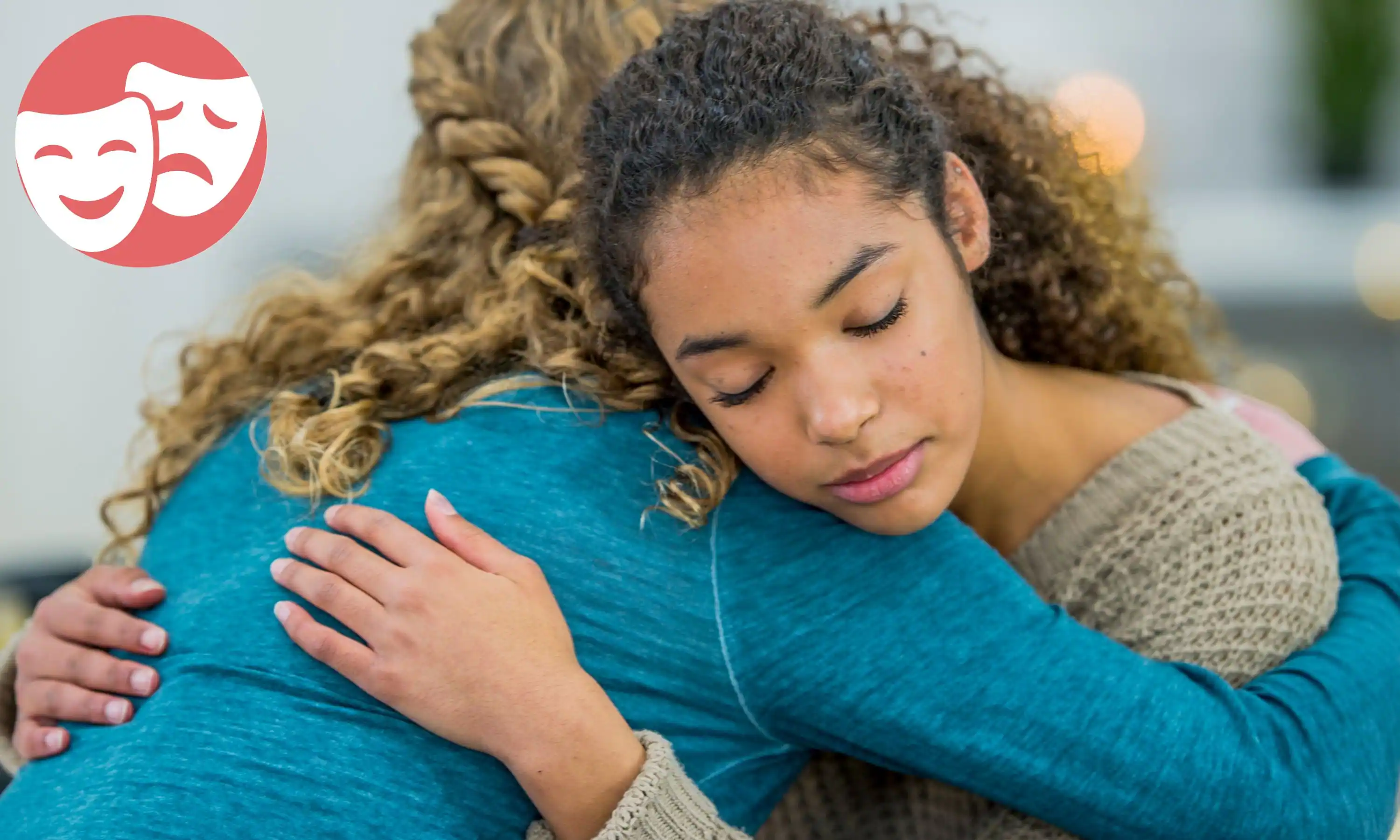
Understanding Fear: Recognize fear’s role and learn when it’s helpful or harmful.

Coping Strategies: Explore methods to manage fears like social anxiety and failure.
Learn More
Sample
Play

Exploring You: A Journey to Self-Awareness

Emotional

Self-Awareness

Course Details:

Modules: 4 |

Lessons: 32

Emotional Intelligence: Recognize and manage emotions to improve mental well-being.

Self-Awareness: Understand how personal values influence decision-making.

Learn More
See A Sample LessonEnroll Now

Sample Lesson Preview Close

FearLESS: Building Brave Young Hearts

Fight, Flight, or Freeze
Enroll Now

The Triple F’s of Fear

Fight, Flight, and Freeze are the three basic ways that our bodies respond to threats.

Your brain might decide that fighting the danger is best. For example, if you are faced with an unfriendly animal, you might yell or throw things at it to try to get it to go away. You might have learned to wave your arms and stomp your feet. You’re trying to prove that you are the bigger threat so the animal will leave you alone!

Sometimes, flight is the best option. Your brain wants to get you out of a dangerous situation quickly. This could mean physically running away from something scary, but it could also mean avoiding something that you find intimidating. For example, maybe it means not raising your hand in class because you’re scared you’ll get the answer wrong in front of others.

The last “F” stands for freeze. Sometimes, your brain can’t make a decision. Instead of fighting or running from the danger, you freeze up. You might have a hard time speaking or yelling, your mouth might go dry, or you might feel faint or lightheaded.

Meet the Course Creators

Mandy Mahr

Mandy Mahr

Making Responsible Choices

Mandy Mahr

Making Responsible Choices

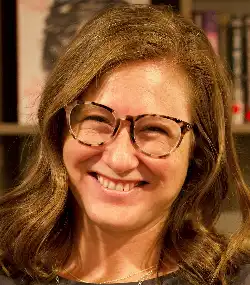
Mandy Mahr is a Masters Level educator who served in public schools in the United States for 15 years before becoming an online tutor to schools with at-risk students, providing social emotional support as well as skill recovery in reading and writing. She is also a consultant for content creation to provide guidance to organizations wanting to engage and employ GenZ. With the technological advances the world has seen in just the last twenty years, it is her goal to train learners to be ready for jobs that don't exist yet. She is passionate about helping learners develop social emotional skills before reaching the workforce.
Dr. Lisabeth Medlock

Dr. Lisabeth Medlock

Confident You: Believe in Yourself

Dr. Lisabeth Medlock

Confident You: Believe in Yourself

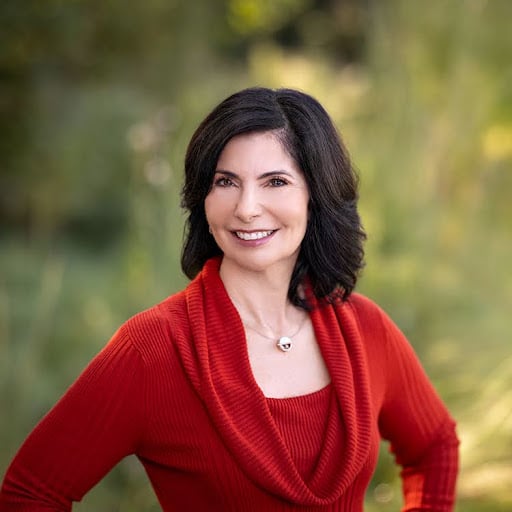
Dr. Medlock is a psychologist, ICF and Board Certified Coach and consultant with a mission to help people and organizations do better and be better. She serves as an advocate, solutions finder, change agent, and resource. For 30 years she has worked with public and nonprofit organizations, beginning in middle schools developing self-competence and conflict resolution programs. She has worked with over 100 organizations to improve their impact on the people and communities they serve. She has been a blogger for the Huffington Post, a TEDx speaker, an author, and has developed myriad curricula, training manuals, and self-help booklets.

Lauren Hudak

Lauren Hudak

FearLESS: Building Brave Young Hearts

Lauren Hudak

FearLESS: Building Brave Young Hearts

Lauren Hudak is an educator with over eight years of experience. After graduating from the University of Virginia with degrees in English Literature and Media Studies, she went on to get her Masters in Teaching from New York University. Lauren has worked with all ages of students from Pre-K through college, but she thrives when working with middle schoolers. She believes this is the perfect age to integrate mindfulness, technology, and social emotional learning into student learning objectives. She wants to help students conquer their fears and build a better world. When she’s not teaching, Lauren loves being outdoors, traveling and spending time with her family.

Dr. Kymberli Barker

Dr. Kymberli Barker

Exploring You: A Journey to Self-Awareness

Dr. Kymberli Barker

Exploring You: A Journey to Self-Awareness

Dr. Barker is the mother of two fantastic young men, and they are her priority in life. She holds degrees in biochemistry, math, forensics, and psychology. She is a consultant and a professor at multiple colleges, including the Citadel, and Johns Hopkins Center for Talented Youth. She spent fifteen years in public education, prior. Her personal focus is child advocacy and she developed the Guardian ad Litem/(GAL)/CASA program for the Eastern Band of Cherokee Indians. She is tribally and state sworn as a GAL. Her favorite thing is being a mom.

See A Sample LessonEnroll Now

Sample Lesson Preview Close

Exploring You: A Journey to Self-Awareness

Thinking about Thinking
Enroll Now

Thinking About Thinking

Self Awareness involves recognizing aspects of who you are as a person. This includes what you think and feel, how you react, and importantly, why.

A good practice in developing self-awareness is focusing on your thoughts. What are you thinking? When do you have certain thoughts? Why do you have these thoughts? Are they productive or harmful?

We will begin with thinking about thinking. Our brains are the greatest supercomputers ever created. We have so many thoughts and we process them so quickly we are often unaware of their existence.

By learning to think about thinking we begin to focus on our thought life, which ultimately becomes our real life.

Subscribe to Our Newsletter

Stay in the loop—subscribe to the Bloomster newsletter for expert tips, upcoming course updates, and insights to help your child thrive.

Bloomster

Copyright: © 2026 Bloomster

  • About
  • Courses
  • For Parents
  • For Schools
  • Blog
  • eBook
  • Contact Us
  • Privacy Policy
  • Terms of Use