Bloomster
  • Courses
  • For Parents
  • For Schools
  • Resources
    • About
    • Blog
    • eBook
    • Life Skills
      • Self-Confidence
      • Self-Discipline
      • Self-Awareness
      • Self-Management
      • Emotional Resilience
      • Healthy Relationship
      • Decision Making
      • Leadership
      • Fear Management
      • Conflict Resolution
      • Communication Skills
      • Social Emotional Learning
      • SEL for Schools
    • Pricing
    • Mobile App
    • Contact Us
  • Sign In
  • Sign Up Now

Help Your Child Heal and Find Light Again

Guide them through grief with mindfulness, comfort, and emotional strength.

Enroll Now

Finding Strength After Loss

Designed with educators, backed by psychology, and easy to integrate into your school’s routine.

Plan Objectives

iconsManaging Overwhelming Emotions

Teach mindfulness techniques to help children cope with grief and fear.

iconsAdapting to Change

Equip children with emotional tools to handle uncertainty and life changes.

iconsEncouraging Growth

Foster a positive mindset that helps children move forward while honoring loss.

iconsBuilding Resilience

Strengthen a child’s ability to adapt, learn, and grow through grief.

See A Sample LessonEnroll Now

Sample Lesson Preview Close

Meditation Foundation: Breath & Self-Awareness

What is mindfulness?
Enroll Now

When to Practice Mindfulness

You don't need to wait for a stressful time to practice mindfulness. The practice of being mindful is available to you any time of the day! Taking a moment to take a deep breath during the course of your day, or stopping to admire a freshly bloomed flower is a way of practicing mindfulness. When you are slowing down and being present in the moment, you are being mindful.

Why This Plan?

This plan addresses the following challenges by developing targeted skills

icons

My child has fears that overwhelm them

×

My child has fears that overwhelm them

How This Plan Helps

Provides strategies to manage overwhelming emotions and find inner calm.

Skill: Fear Management

Course: FearLESS: Building Brave Young Hearts

icons

My child becomes upset when plans change

×

My child becomes upset when plans change

How This Plan Helps

Helps children accept and adapt to life’s changes with emotional strength.

Skill: Resilience

Course: Resilient You: What is Resiliency?

icons

My child does not have future goals

×

My child does not have future goals

How This Plan Helps

Encourages mindfulness practices to help children refocus on the present and future.

Skill: Meditation

Course: Meditation Foundation: Breath & Self-Awareness

icons

My child rarely says, “Thank you.”

×

My child rarely says, “Thank you.”

How This Plan Helps

Helps children develop a habit of gratitude, reinforcing emotional well-being.

Skill: Gratitude

Course: What is Gratitude?

01Coping with Fear and Anxiety

Teaches mindfulness techniques to calm overwhelming emotions and fears.

02Adjusting to Life Changes

Helps children navigate unexpected changes with resilience and emotional balance.

03Finding Purpose After Loss

Encourages children to focus on personal growth and future goals.

04Practicing Gratitude Daily

Encourages children to reflect on positive experiences and express appreciation.

See A Sample LessonEnroll Now

Sample Lesson Preview Close

FearLESS: Building Brave Young Hearts

Fight, Flight, or Freeze
Enroll Now

The Triple F’s of Fear

Fight, Flight, and Freeze are the three basic ways that our bodies respond to threats.

Your brain might decide that fighting the danger is best. For example, if you are faced with an unfriendly animal, you might yell or throw things at it to try to get it to go away. You might have learned to wave your arms and stomp your feet. You’re trying to prove that you are the bigger threat so the animal will leave you alone!

Sometimes, flight is the best option. Your brain wants to get you out of a dangerous situation quickly. This could mean physically running away from something scary, but it could also mean avoiding something that you find intimidating. For example, maybe it means not raising your hand in class because you’re scared you’ll get the answer wrong in front of others.

The last “F” stands for freeze. Sometimes, your brain can’t make a decision. Instead of fighting or running from the danger, you freeze up. You might have a hard time speaking or yelling, your mouth might go dry, or you might feel faint or lightheaded.

Real-Life Applications

How this plan's skills apply to real-world scenarios for everyday success

See A Sample LessonEnroll Now

Sample Lesson Preview Close

FearLESS: Building Brave Young Hearts

Fight, Flight, or Freeze
Enroll Now

The Triple F’s of Fear

Fight, Flight, and Freeze are the three basic ways that our bodies respond to threats.

Your brain might decide that fighting the danger is best. For example, if you are faced with an unfriendly animal, you might yell or throw things at it to try to get it to go away. You might have learned to wave your arms and stomp your feet. You’re trying to prove that you are the bigger threat so the animal will leave you alone!

Sometimes, flight is the best option. Your brain wants to get you out of a dangerous situation quickly. This could mean physically running away from something scary, but it could also mean avoiding something that you find intimidating. For example, maybe it means not raising your hand in class because you’re scared you’ll get the answer wrong in front of others.

The last “F” stands for freeze. Sometimes, your brain can’t make a decision. Instead of fighting or running from the danger, you freeze up. You might have a hard time speaking or yelling, your mouth might go dry, or you might feel faint or lightheaded.

Courses Included

Sample
Play

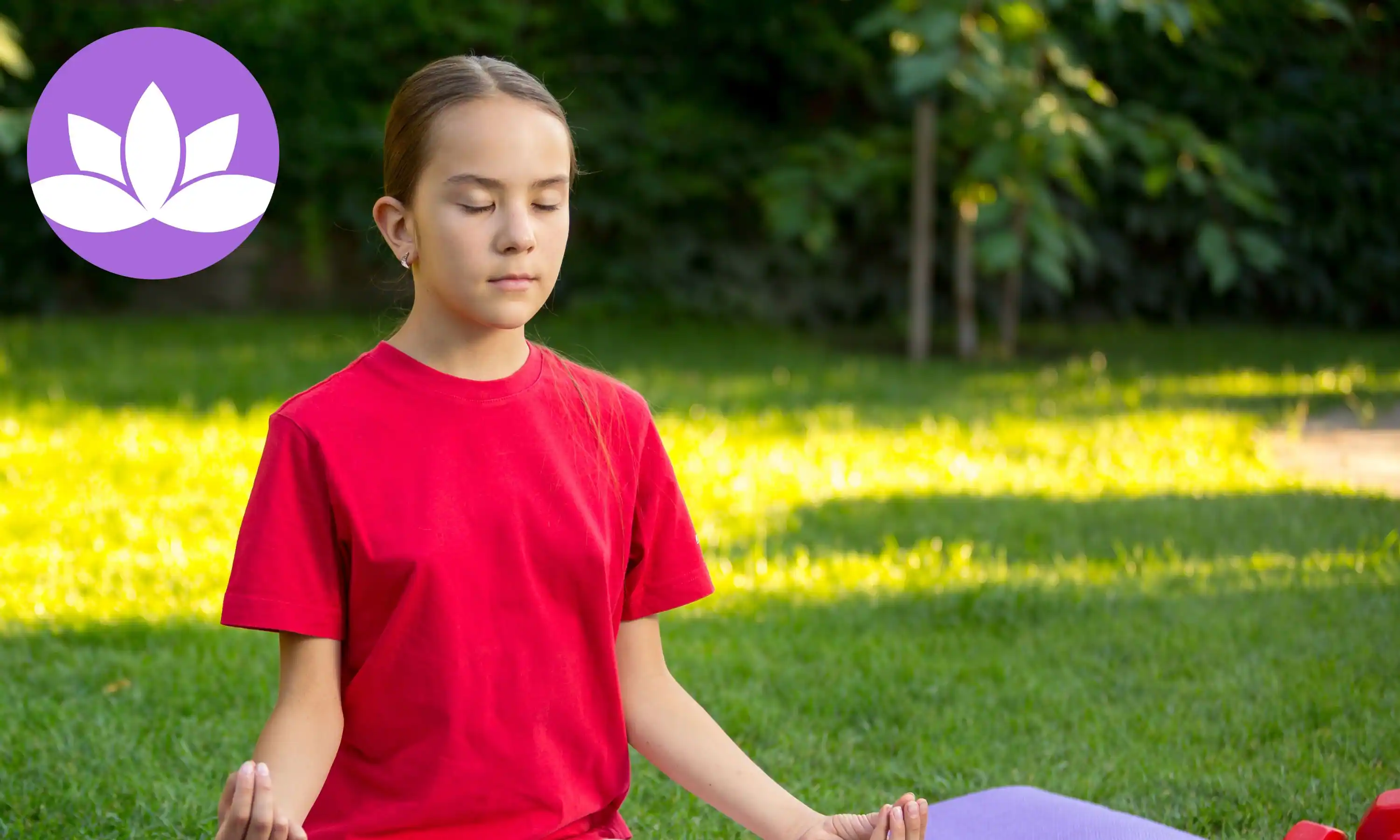
Meditation Foundation: Breath & Self-Awareness

Mindfulness

Meditation

Course Details:

Modules: 4 |

Lessons: 33

Mindfulness Skills: Develop mindfulness to enhance focus, manage emotions, and reduce stress.

Self-Awareness: Cultivate awareness of thoughts, feelings, and behaviors to foster personal growth.
Learn More
Sample
Play

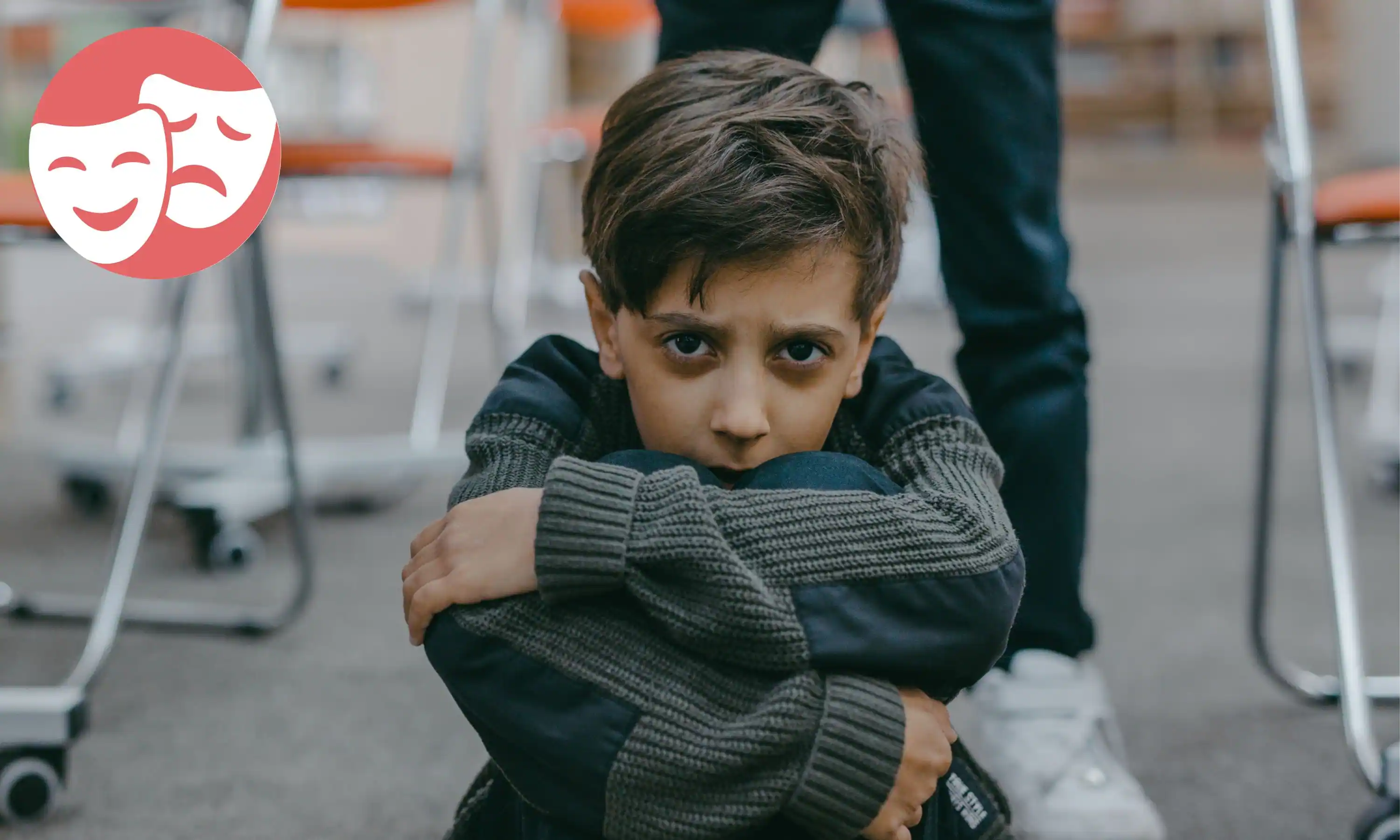
FearLESS: Building Brave Young Hearts

Emotional

Fear Management

Course Details:

Modules: 4 |

Lessons: 32

Understanding Fear: Recognize fear’s role and learn when it’s helpful or harmful.

Coping Strategies: Explore methods to manage fears like social anxiety and failure.

Learn More
Sample
Play

Resilient You: What is Resiliency?

Emotional

Resilience

Course Details:

Modules: 4 |

Lessons: 31

Resilience Building: Enhance resilience through effective goal-setting and learning from setbacks.

Emotional Regulation: Improve well-being by developing skills for managing stress and emotions.
Learn More
Sample
Play

What is Gratitude?

Mindfulness

Gratitude

Course Details:

Modules: 4 |

Lessons: 32

Emotional Benefits: Understand how gratitude boosts mood and overall well-being.

Gratitude Principles: Apply the four principles of gratitude to enhance practices and relationships.

Learn More
See A Sample LessonEnroll Now

Sample Lesson Preview Close

Resilient You: What is Resiliency?

What is Resilience?
Enroll Now

What is Resilience?

What exactly needs to be developed to become resilient?

Many agree there are different levels of resilience to be expected at different ages and even in different fields.

For example training on military resilience is very different from how we would discuss it with teens. This course will introduce concepts for variations and provide links to additional information.

For now, we are going to begin with the idea of the 7 Cs mentioned by Coach Reese. Here they are again in case you missed them: Confidence, Competence, Connection, Character, Contribution, Coping, Control.

These seven concepts really summarize where we need to focus our attention to become stronger in certain areas of our lives.

The students will be developing their personal research focusing on one or more of these areas.

You might consider researching along with them. Where do you think you might work a bit more on skills for bouncing back?

Meet the Course Creators

Mariel Reyes

Mariel Reyes

Meditation Foundation: Breath & Self Awareness

Mariel Reyes

Meditation Foundation: Breath & Self Awareness

Mariel is an engaging and experienced yoga and meditation teacher with over a decade of experience. She holds a 200-hour Meditation Teacher Training certificate from The Three Jewels, one of the most well-known meditation studios in New York City. As a seeker and student of meditation, she has taken part in meditation retreats from upstate New York, all the way to an ashram in India. Trained in the Tibetan Buddhist lineage, she brings her knowledge and understanding of ancient meditation teachings and practices and fuses them with simplicity and accessibility. She encourages children to be playful, curious, and inquisitive when exploring mindfulness and meditation. In addition to her expertise in meditation, yoga, and wellness, Mariel has more than 15 years of experience teaching children of all ages.

Lauren Hudak

Lauren Hudak

FearLESS: Building Brave Young Hearts

Lauren Hudak

FearLESS: Building Brave Young Hearts

Lauren Hudak is an educator with over eight years of experience. After graduating from the University of Virginia with degrees in English Literature and Media Studies, she went on to get her Masters in Teaching from New York University. Lauren has worked with all ages of students from Pre-K through college, but she thrives when working with middle schoolers. She believes this is the perfect age to integrate mindfulness, technology, and social emotional learning into student learning objectives. She wants to help students conquer their fears and build a better world. When she’s not teaching, Lauren loves being outdoors, traveling and spending time with her family.

Dr. Kymberli Barker

Dr. Kymberli Barker

Resilient You: What is Resiliency?

Conflict Resolution Foundations

Dr. Kymberli Barker

Resilient You: What is Resiliency?

Conflict Resolution Foundations

Dr. Barker is the mother of two fantastic young men, and they are her priority in life. She holds degrees in biochemistry, math, forensics, and psychology. She is a consultant and a professor at multiple colleges, including the Citadel, and Johns Hopkins Center for Talented Youth. She spent fifteen years in public education, prior. Her personal focus is child advocacy and she developed the Guardian ad Litem/(GAL)/CASA program for the Eastern Band of Cherokee Indians. She is tribally and state sworn as a GAL. Her favorite thing is being a mom.

Kerry Wadsley

Kerry Wadsley

What is Gratitude?

Kerry Wadsley

What is Gratitude?

Following a degree in Elementary Education at Penn State (USA), Kerry Wadsley taught at The Elms School, UK for over 10 years, teaching students from 0-11 years. She taught in Key Stage 2 as well as being the Special Educational Needs Coordinator at the school. In 2016, she gained a Master’s in Education from the University of Nottingham (UK). Her passion lies in helping students to achieve their potential and eliminating any barriers to learning.

See A Sample LessonEnroll Now

Sample Lesson Preview Close

What is Gratitude?

Benefits of gratitude in the long term
Enroll Now

Long Term Benefits

In addition to the short term benefits of practicing gratitude, there are a number of long term benefits as well. The long term benefits for teens include:

Adults also experience benefits from repeated gratitude practice. This includes:

These benefits can help us to keep our minds and bodies healthy, while providing increased enjoyment of life. Gratitude practice can make a big difference in your life.

Subscribe to Our Newsletter

Stay in the loop—subscribe to the Bloomster newsletter for expert tips, upcoming course updates, and insights to help your child thrive.

Bloomster

Copyright: © 2026 Bloomster

  • About
  • Courses
  • For Parents
  • For Schools
  • Blog
  • eBook
  • Contact Us
  • Privacy Policy
  • Terms of Use