
Being Heard and Understood
Designed with educators, backed by psychology, and easy to integrate into your school’s routine.

Plan Objectives
 Enhancing Communication Skills
Teach children how to express themselves clearly and effectively.
 Building Empathy
Help children understand and respect different perspectives.
 Boosting Self-Confidence
Encourage children to trust their voice and opinions.
 Developing Emotional Awareness
Support children in recognizing their emotions and expressing them constructively.

Why This Plan?
This plan addresses the following challenges by developing targeted skills

My child is unaware of their own emotions

My child does not care about others’ perspectives

My child considers all feedback to be negative

My child makes excuses for their behavior
01Expressing Feelings in Conversations
Teaches children how to communicate their emotions clearly and assertively.
02Understanding Others' Perspectives
Encourages children to consider the feelings and opinions of others in conversations.
03Responding to Feedback with Confidence
Helps children develop a growth mindset and accept feedback constructively.
04Recognizing and Expressing Emotions
Supports children in identifying their emotions and articulating them effectively.
Real-Life Applications
How this plan's skills apply to real-world scenarios for everyday success
Courses Included
Communication Foundations

Social

Effective Communication
Course Details:
Modules: 4 |
Lessons: 32
Effective Communication: Develop communication skills across multiple mediums for clearer interactions.
Active Listening: Enhance active listening and empathetic communication for better understanding.
Cultivating Empathy
Social
Empathy
Course Details:
Modules: 4 |
Lessons: 32
Empathy Development: Develop empathy by understanding and responding to others' emotions and views.
Communication Skills: Enhance skills with active and empathetic listening techniques.
Confident You: Believe in Yourself
Emotional
Self-Confidence
Course Details:
Modules: 4 |
Lessons: 33
Discover Self-Belief: Understand how confidence transforms growth and relationships.
Master Positive Self-Talk: Replace self-doubt with empowering inner dialogue daily.

Exploring You: A Journey to Self-Awareness
Emotional
Self-Awareness
Course Details:
Modules: 4 |
Lessons: 32
Emotional Intelligence: Recognize and manage emotions to improve mental well-being.
Self-Awareness: Understand how personal values influence decision-making.
Meet the Course Creators
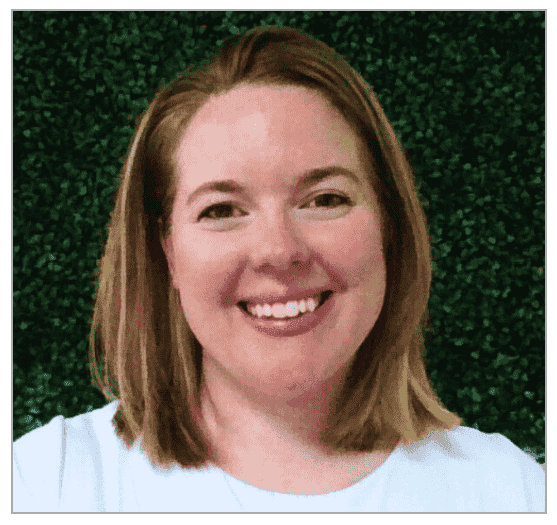
Ashley Valentine
Communication Foundations
Ashley Valentine
Communication Foundations
Ashley Valentine is an energetic and creative teacher from the United States who has committed her career to facilitating engaging and unique experiences for learners. She has presented at technology conferences, attended international learning summits, and is deeply passionate about ensuring that learning is both fun and meaningful. She has incorporated escape rooms, social media, experiential learning models, and hands-on techniques to engage Generation Z and prepare for Generation Alpha. An avid learner herself, Ashley holds two degrees in education and engages regularly in professional development so that she can build upon strategies and be responsive to student needs.

Mandy Mahr
Cultivating Empathy
Mandy Mahr
Cultivating Empathy
Mandy Mahr is a Masters Level educator who served in public schools in the United States for 15 years before becoming an online tutor to schools with at-risk students, providing social emotional support as well as skill recovery in reading and writing. She is also a consultant for content creation to provide guidance to organizations wanting to engage and employ GenZ. With the technological advances the world has seen in just the last twenty years, it is her goal to train learners to be ready for jobs that don't exist yet. She is passionate about helping learners develop social emotional skills before reaching the workforce.
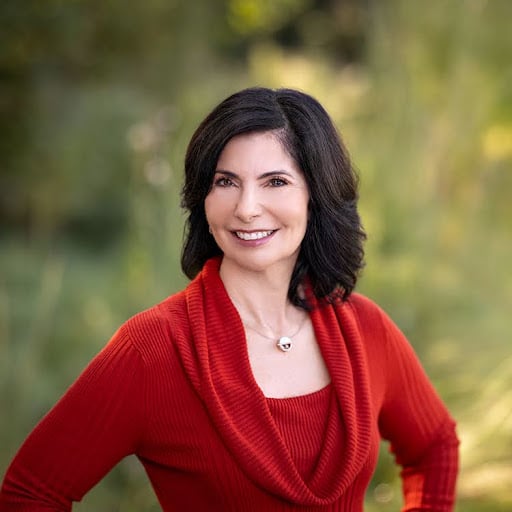
Dr. Lisabeth Medlock
Confident You: Believe in Yourself
Dr. Lisabeth Medlock
Confident You: Believe in Yourself
Dr. Medlock is a psychologist, ICF and Board Certified Coach and consultant with a mission to help people and organizations do better and be better. She serves as an advocate, solutions finder, change agent, and resource. For 30 years she has worked with public and nonprofit organizations, beginning in middle schools developing self-competence and conflict resolution programs. She has worked with over 100 organizations to improve their impact on the people and communities they serve. She has been a blogger for the Huffington Post, a TEDx speaker, an author, and has developed myriad curricula, training manuals, and self-help booklets.

Dr. Kymberli Barker
Exploring You: A Journey to Self-Awareness
Dr. Kymberli Barker
Exploring You: A Journey to Self-Awareness
Dr. Barker is the mother of two fantastic young men, and they are her priority in life. She holds degrees in biochemistry, math, forensics, and psychology. She is a consultant and a professor at multiple colleges, including the Citadel, and Johns Hopkins Center for Talented Youth. She spent fifteen years in public education, prior. Her personal focus is child advocacy and she developed the Guardian ad Litem/(GAL)/CASA program for the Eastern Band of Cherokee Indians. She is tribally and state sworn as a GAL. Her favorite thing is being a mom.