
Independent Explorer
Designed with educators, backed by psychology, and easy to integrate into your school’s routine.

Plan Objectives
 Build Independence
Help children manage responsibilities and complete tasks with focus and discipline.
 Develop Financial Literacy
Teach children budgeting, saving, and smart financial decision-making.
 Encourage Creativity
Inspire children to explore new ideas and think innovatively.
 Promote Assertiveness
Equip children with communication tools to set boundaries respectfully.

Why This Plan?
This plan addresses the following challenges by developing targeted skills

Doesn’t complete work on time

Consistently makes poor financial choices

Has difficulty outside of their comfort zone

Is uncomfortable saying, “No.”
01Managing Deadlines
This scenario helps your child organize and prioritize tasks to stay on top of assignments and responsibilities.
02Making Financial Decisions
This scenario teaches your child to create a budget and make thoughtful spending and saving choices.
03Exploring New Ideas
This scenario encourages your child to think creatively and confidently embrace unfamiliar opportunities or environments.
04Setting Boundaries Respectfully
This scenario guides your child in using clear communication to say, “No,” while maintaining positive relationships.
Real-Life Applications
How this plan's skills apply to real-world scenarios for everyday success
Courses Included

The Art of Self-Discipline

Emotional

Self-Discipline
Course Details:
Modules: 4 |
Lessons: 33
Better Decisions: Develop self-discipline for improved decision-making and focus.
Emotional Regulation: Manage emotions to reduce impulsive behaviors and build resilience.

Financial Literacy I
Intellectual
Finance
Course Details:
Modules: 4 |
Lessons: 32
Money Management: Understand the crucial role of budgeting and goal setting in managing finances.
Spending Decisions: Differentiate needs from wants to make informed financial choices.

Don’t Wait: Create!
Intellectual
Creativity & Innovation
Course Details:
Modules: 4 |
Lessons: 31
Creative Problem-Solving: Apply creative techniques to tackle real-world issues effectively.
RealisticResilience Growth: Develop resilience and a growth mindset to navigate challenges.

Communication Foundations
Social
Effective Communication
Course Details:
Modules: 4 |
Lessons: 32
Effective Communication: Develop communication skills across multiple mediums for clearer interactions.
Active Listening: Enhance active listening and empathetic communication for better understanding.
Meet the Course Creators

Melissa Miletic
The Art of Self-Discipline
Melissa Miletic
The Art of Self-Discipline
Melissa Miletic is a dynamic educator with over ten years of experience in education, beginning her journey with a transformative volunteer stint abroad at 18. She has since navigated all facets of education, from policy-making to classroom teaching, driven by her multicultural upbringing and a deep belief in the value of diversity. Committed to providing holistic, inclusive, and high-quality education, Melissa strives to impact learners across all demographics and geographies. Her approach blends modern methodologies with a global perspective, aiming to make learning engaging, relevant, and accessible to everyone. Holding a double bachelor’s degree in International Relations and Communication from the University of South Florida and a master’s in International Education from New York University, Melissa’s expertise lies in crafting educational experiences that resonate universally. Her professional and personal mission is to champion education as a transformative force, bridging cultural divides and fostering understanding in a connected world.
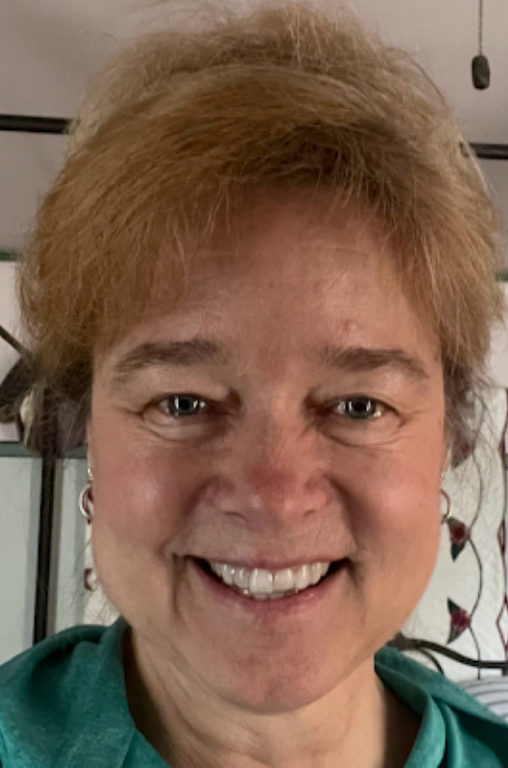
Heather Gossler
Financial Literacy I
Heather Gossler
Financial Literacy I
A part-time teller job led to an MBA from DeSales University in the United States and a 27 year career in the finance and banking industry. I developed a youth banking program at my bank believing that it is never too young to learn to make good financial decisions. I took the program out into the surrounding communities’ schools to teach students basic finance. I then discovered that my true calling was education. I left the executive offices of banking and began my teaching career, which I’ve been doing for 15 years. I went back to school and earned my M.Ed. in Educational Leadership from Cabrini College. I’ve taught middle school students the subjects of U.S.History, English and Language Arts, Science, and Family and Consumer Science which included a unit on personal finance. My ultimate goal is to help students find their passion for learning what it takes to be the best person they can be.

Lauren Hudak
Don't Wait: Create!
Lauren Hudak
Don't Wait: Create!
Lauren Hudak is an educator with over eight years of experience. After graduating from the University of Virginia with degrees in English Literature and Media Studies, she went on to get her Masters in Teaching from New York University. Lauren has worked with all ages of students from Pre-K through college, but she thrives when working with middle schoolers. She believes this is the perfect age to integrate mindfulness, technology, and social emotional learning into student learning objectives. She wants to help students conquer their fears and build a better world. When she’s not teaching, Lauren loves being outdoors, traveling and spending time with her family.

Ashley Valentine
Communication Foundations
Ashley Valentine
Communication Foundations
Ashley Valentine is an energetic and creative teacher from the United States who has committed her career to facilitating engaging and unique experiences for learners. She has presented at technology conferences, attended international learning summits, and is deeply passionate about ensuring that learning is both fun and meaningful. She has incorporated escape rooms, social media, experiential learning models, and hands-on techniques to engage Generation Z and prepare for Generation Alpha. An avid learner herself, Ashley holds two degrees in education and engages regularly in professional development so that she can build upon strategies and be responsive to student needs.