
Confident Communicator
Designed with educators, backed by psychology, and easy to integrate into your school’s routine.

Plan Objectives
 Speak Up with Confidence
Teach your child to express opinions and set boundaries confidently.
 Handle Tough Conversations
Boost their comfort with saying, “No,” and navigating tricky situations.
 Connect Effectively
Help your child develop listening and speaking skills for building positive, lasting relationships.
 Empathy in Conversations
Foster your child’s understanding and respect for others’ perspectives.

Why This Plan?
This plan addresses the following challenges by developing targeted skills

Can not readily defend their opinions

Does not care about others’ perspectives

Is uncomfortable saying, “No.”

Rarely says, “Thank you.”
01Defending Their Opinions
This scenario guides your child in articulating their thoughts clearly and confidently in various settings.
02Setting Boundaries
This scenario provides your child with techniques to advocate for themselves respectfully and say, “No,” when necessary.
03Understanding Others’ Perspectives
This scenario helps your child appreciate and respect diverse viewpoints in conversations and collaborations.
04Expressing Gratitude
This scenario encourages your child to build stronger connections by acknowledging and expressing appreciation in daily interactions.
Real-Life Applications
How this plan's skills apply to real-world scenarios for everyday success
Courses Included
Confident You: Believe in Yourself

Emotional

Self-Confidence
Course Details:
Modules: 4 |
Lessons: 33
Discover Self-Belief: Understand how confidence transforms growth and relationships.
Master Positive Self-Talk: Replace self-doubt with empowering inner dialogue daily.
Communication Foundations
Social
Effective Communication
Course Details:
Modules: 4 |
Lessons: 32
Effective Communication: Develop communication skills across multiple mediums for clearer interactions.
Active Listening: Enhance active listening and empathetic communication for better understanding.
Relationship Building Basics
Social
Relationship Management
Course Details:
Modules: 4 |
Lessons: 31
Trust: Develop the ability to build and maintain trust, strengthening supportive connections.
Benefits: Understand how healthy relationships enhance well-being and personal growth.
What is Gratitude?
Mindfulness
Gratitude
Course Details:
Modules: 4 |
Lessons: 32
Emotional Benefits: Understand how gratitude boosts mood and overall well-being.
Gratitude Principles: Apply the four principles of gratitude to enhance practices and relationships.
Meet the Course Creators

Dr. Kymberli Barker
Relationship Building Basics
Dr. Kymberli Barker
Relationship Building Basics
Dr. Barker is the mother of two fantastic young men, and they are her priority in life. She holds degrees in biochemistry, math, forensics, and psychology. She is a consultant and a professor at multiple colleges, including the Citadel, and Johns Hopkins Center for Talented Youth. She spent fifteen years in public education, prior. Her personal focus is child advocacy and she developed the Guardian ad Litem/(GAL)/CASA program for the Eastern Band of Cherokee Indians. She is tribally and state sworn as a GAL. Her favorite thing is being a mom.

Ali Dareneau
Relationship Building Basics
Ali Dareneau
Relationship Building Basics
Ms. Dareneau is an English teacher with dual degrees in Psychology and English Education, she enjoys helping students reach their potential, especially when it comes to English Language Arts. With over 16 years of classroom experience and working with education-based companies, she brings creativity and enthusiasm to the classroom and beyond. She earned a Bachelor's degree in Psychology in 2007 and completed her Masters's degree in English Education in 2013 which have both shaped her into the passionate educator she is today. Her professional experience as an English teacher, curriculum designer, and writer demonstrates her passion for reading and writing and solidifies her belief all students can strengthen their reading and writing skills no matter what level they begin their journey.
Ashley Valentine
Communication Foundations
Ashley Valentine
Communication Foundations
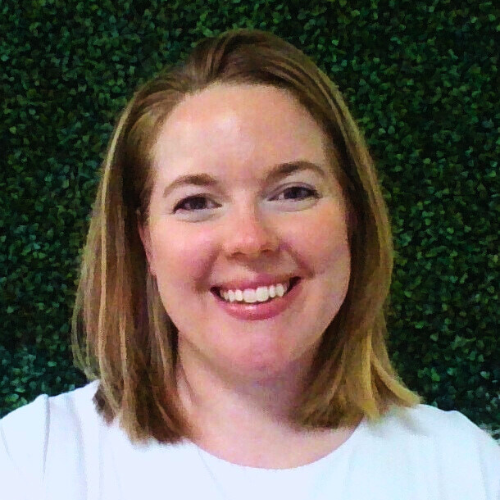
Ashley Valentine is an energetic and creative teacher from the United States who has committed her career to facilitating engaging and unique experiences for learners. She has presented at technology conferences, attended international learning summits, and is deeply passionate about ensuring that learning is both fun and meaningful. She has incorporated escape rooms, social media, experiential learning models, and hands-on techniques to engage Generation Z and prepare for Generation Alpha. An avid learner herself, Ashley holds two degrees in education and engages regularly in professional development so that she can build upon strategies and be responsive to student needs.
Dr. Lisabeth Medlock
Confident You: Believe in Yourself
Dr. Lisabeth Medlock
Confident You: Believe in Yourself
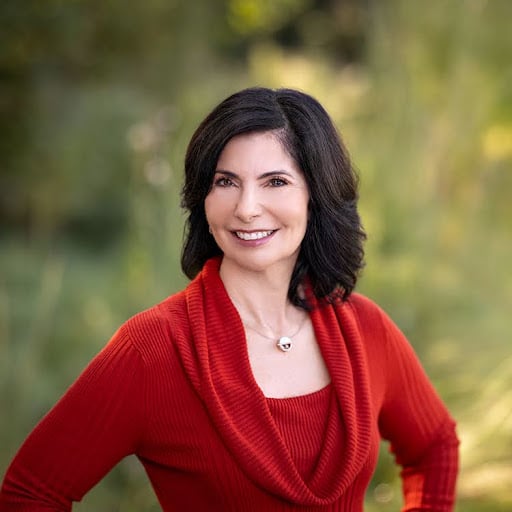
Dr. Medlock is a psychologist, ICF and Board Certified Coach and consultant with a mission to help people and organizations do better and be better. She serves as an advocate, solutions finder, change agent, and resource. For 30 years she has worked with public and nonprofit organizations, beginning in middle schools developing self-competence and conflict resolution programs. She has worked with over 100 organizations to improve their impact on the people and communities they serve. She has been a blogger for the Huffington Post, a TEDx speaker, an author, and has developed myriad curricula, training manuals, and self-help booklets.

Kerry Wadsley
What is Gratitude?
Kerry Wadsley
What is Gratitude?
Following a degree in Elementary Education at Penn State (USA), Kerry Wadsley taught at The Elms School, UK for over 10 years, teaching students from 0-11 years. She taught in Key Stage 2 as well as being the Special Educational Needs Coordinator at the school. In 2016, she gained a Master’s in Education from the University of Nottingham (UK). Her passion lies in helping students to achieve their potential and eliminating any barriers to learning.