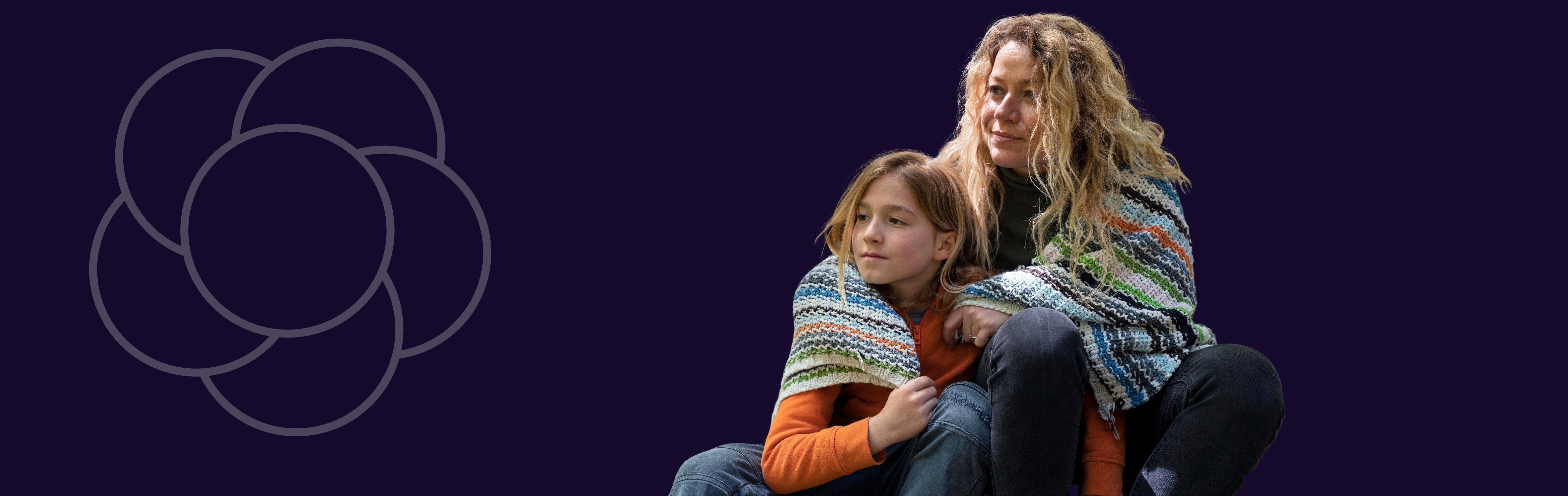
How Family Values Shape Your Tween's Decisions: Developing a Strong Moral Compass
Your tween comes home from school and casually mentions that a group of kids cheated on a test. Or maybe they tell you about a new friend who was unkind to someone, and they just... stood there, silent.
These are the moments that test your child's internal "moral compass."
As tweens' social worlds expand, so does the pressure to fit in. Their desire for belonging is incredibly powerful, and it can sometimes override the "rules" they've always known. They are moving from a childhood sense of "right and wrong" (based on consequences) to a more complex, personal code of ethics (based on values).
We tell them to "be good" or "do the right thing," but what does that mean when "the right thing" could make them a social outcast? Without a strong internal guide, they're navigating this high-stakes world without a map.
Why "Do the Right Thing" Isn't Enough
Telling a tween to "be honest" is abstract. They need to understand why honesty matters, both to themselves and to others. Integrity isn't a rule; it's a practice.
When kids have a clearly defined set of values—a true moral compass—they are no longer just avoiding trouble. They are actively making choices that align with the person they want to be. This builds self-respect and the confidence to stand firm, even when peer pressure is high.
3 Ways to Help Your Tween Build Their Moral Compass
Integrity is built through conversation, practice, and observation. Here’s how you can start.
-
Define Your Family Values — Out Loud.
Don't assume your tween knows what your family stands for. Have a real conversation. Ask: "What are the 3-5 most important things in our family?" Maybe you land on: "Be Kind," "Tell the Truth," "Try Your Best," and "Respect Others." Write them down. Put them on the fridge. When values are concrete, they become a decision-making tool.
-
Practice with "What If...?"
You don't have to wait for a real-life crisis to build these skills. Use "what if" scenarios at dinner or in the car. "What if your best friend asked you to lie to their parents for them?" or "What if you found a $20 bill on the floor at school?" Don't jump to the "right" answer. Talk about the gray area. Why is it a hard choice? Who would be affected? This is a workout for their moral muscles.
-
Model Your Own Compass.
Your tween is watching you. They need to see you make tough, values-based choices. Talk them through it. "I'm returning this extra item the cashier forgot to scan. It's a hassle, but it's not ours, and integrity is one of our values." When they see you live your values, even in small ways, they learn that integrity is a daily practice, not just a poster on a wall.
💡 Key Takeaway: A strong moral compass gives your tween the confidence to make decisions based on their values, not just on the pressures around them.
A Guide for Their Journey
It can be hard to talk about these big topics without it feeling like a heavy lecture. We created our Making Responsible Choices course to give tweens a safe, engaging space to explore these ideas for themselves.
Through animated lessons and guided reflections, kids learn how to identify their own core values, understand the true meaning of integrity, and practice navigating the tough social situations they face every day. It's the guide they need to build confidence in their own choices.
👉 Explore Making Responsible Choices today.
Free Resource for Parents
Want to keep these strategies front and center? Download our free eBook on Conflict Resolution from our library. It’s a simple, helpful guide to help your whole family navigate disagreements more calmly.